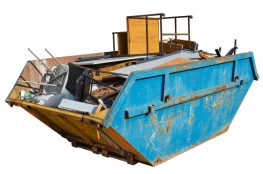
Evaluating Environmental Impact: Skip Bins vs. Landfills
These days almost everybody is aware of the escalating challenges of waste management and environmental sustainability. By making an educated choice between using skip bins or general landfills for waste we can benefit the environment, at least to a small extent.
Skip Bins:
Skip bins, commonly used for waste collection and disposal, offer several potential environmental benefits.
Material Sorting:
Skip bins facilitate the segregation of different types of waste at the source, enabling better recycling practices. This segregation reduces the contamination of recyclable materials, enhancing the effectiveness of recycling processes.
Resource Recovery:
Many skip bin services prioritize resource recovery by extracting valuable materials from waste before disposal. This includes materials like metal, glass, and certain plastics, which can be recycled, reducing the demand for new raw materials.
Reduced Transportation Emissions:
Skip bins are typically positioned conveniently within local areas, minimizing the need for extensive transportation. This localized approach can result in reduced carbon emissions compared to hauling waste over long distances to landfills.
Landfills:
Landfills have long been the conventional method of waste disposal, but their environmental impact needs to be examined.
Environmental Degradation:
Landfills contribute to environmental degradation, releasing greenhouse gases such as methane during the decomposition of organic waste. Methane is a potent contributor to climate change.
Soil and Water Contamination:
The leachate produced by decomposing waste in landfills can contaminate soil and water sources, posing risks to ecosystems and public health. Proper containment measures are necessary to mitigate these environmental risks.
Limited Resource Recovery:
Landfills are generally not designed for comprehensive resource recovery. Once waste is deposited, the potential for extracting reusable materials is very low, leading to the lose of valuable resources.
Land Use Issues:
Landfills require significant amounts of land, leading to habitat disruption, loss of biodiversity, and potential conflicts with nearby communities. Though in some cases waste is used to build up an area that is latter used for building sites. So landfill sites can be designed to be useful.
In comparing skip bins to landfills, it becomes evident that skip bins offer advantages in terms of material sorting, resource recovery, and reduced transportation emissions. These factors contribute to a more environmentally sustainable waste management approach. Conversely, landfills pose challenges related to environmental degradation, soil and water contamination, limited resource recovery, and land use issues.
A large factor where is sorting the rubbish. If we sort the recyclable items from the waste, and remove the potentially toxic elements, the remainder may well be fine for landfill. A Skip bin company does provide this sorting service.
Ultimately, the choice between skip bins and landfills should be made with a focus on minimising environmental impact. The adoption of efficient waste management practices, including increased recycling and resource recovery, can contribute to a more sustainable and eco-friendly approach to waste disposal.
Information Disclaimer
The content of this article is meant for informational purposes only and should not be considered a source of professional advice, recommendations, or endorsements. It is not a substitute for seeking expert guidance or making well-informed decisions based on individual circumstances. Although we strive for accuracy and reliability, we cannot guarantee the information's completeness or suitability for all situations. Readers are urged to verify facts, consult experts, and consider their own context before taking actions or decisions based on this content. No warranties, explicit or implied, are provided regarding the accuracy, timeliness, or completeness of the presented information. Relying on this information is at the reader's own discretion and risk. We encourage readers to consult relevant professionals or experts for advice tailored to their specific needs. Neither the author, publisher, nor any affiliated parties will be held responsible for errors, omissions, or damages resulting from the use or reliance on the information in this article.